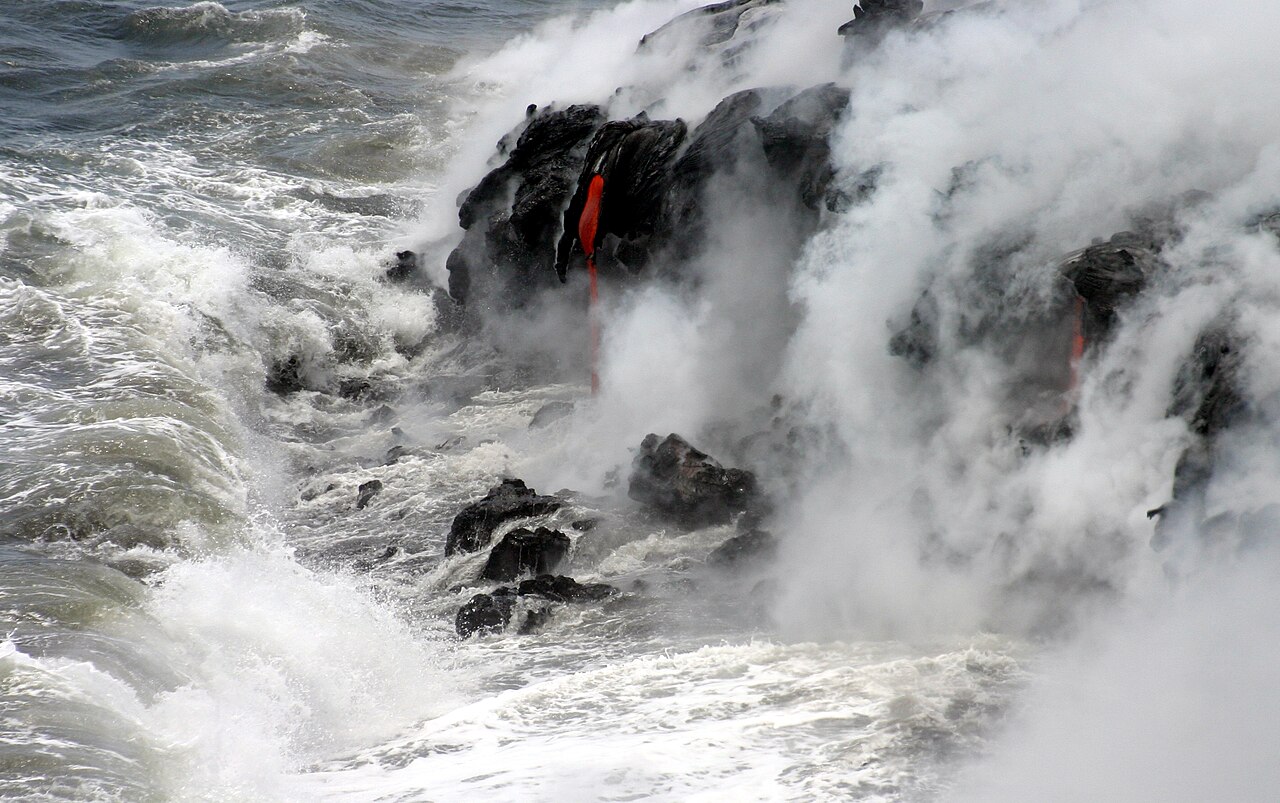
Hawaii Volcanoes National Park (Big Island)
Visitor Guide to Kilauea and the Land Pele Builds
⏱ Full day👤 All ages$
Get Tickets
Get Volcanoes National Park Tickets
Skip the line · mobile tickets accepted at the door
This is the realm of Pele, the Hawaiian volcano deity, and the ground proves it: Kilauea has erupted repeatedly for decades (including dramatic summit eruptions in recent years), reshaping the park in real time. The caldera at the summit — enormously enlarged by the 2018 collapse — steams and occasionally fills with a lava lake whose glow draws nighttime crowds to the overlooks. Eruptions pause and resume without appointment; the park's website posts current activity, and visiting during an active phase is pure luck and worth chasing.
Even dormant, the park delivers a full day: the Crater Rim area's steam vents and sulphur banks; the Kilauea Iki trail, a 4-mile loop descending through rainforest to cross a crater floor that was a lava lake in 1959 and still steams underfoot; Nahuku (Thurston Lava Tube), a walk through a 500-year-old lava tunnel beneath the ferns; and the Chain of Craters Road, dropping 3,700 feet over 19 miles of flows young and old to the sea arch at the coast — a drive through geology at highway scale. Devastation Trail, petroglyph fields, and backcountry routes extend the menu.
The park sits at ~4,000 feet near Volcano Village — cooler and often misty; bring layers and rain shells. It's roughly 45 minutes from Hilo but 2-2.5 hours from the Kona/Kohala resorts: either overnight nearby (Volcano Village, or Hilo) or commit to a long day. Nighttime is when any summit glow shows; sunrise and dusk soften the crowds. Respect closures — the hazards (gases, unstable ground) are real — and the cultural weight of the place: this is sacred ground, actively made.
What to Expect
Format
A drive-and-hike national park: caldera overlooks, steam vents, the Kilauea Iki crater-floor loop, the Thurston Lava Tube, and the Chain of Craters Road to the coast. Eruption viewing (when active) mainly after dark from marked overlooks.
Best Time
Check eruption status and go when something's active if you can. Otherwise: early morning or late day for light and quiet; nights for any glow. Weather at 4,000 feet is cool and changeable year-round.
Duration
A full day for the summit area plus Chain of Craters; add a night nearby to see the glow and beat the drive.
Tips
Check the NPS eruption/conditions page before going. Bring layers and rain gear — it's not beach weather up there. Hike Kilauea Iki early. Don't skip Chain of Craters Road. Fuel in Hilo or Volcano Village. Stay nearby overnight if you want the after-dark caldera. Heed every closure; gases and cliff edges are genuinely hazardous.
⚡ Quick Picks
Best For
Anyone with a pulse for the primal — it's the most singular landscape in Hawaii and the Big Island's defining sight.
Families
Fantastic for kids: lava tubes, steaming craters, and junior-ranger drama. Keep hands held near vents and edges.
Couples
A caldera glow after dark is unforgettable; pair with a cozy Volcano Village stay.
Pair With
Hilo's waterfalls and farmers market, or Punaluu black-sand beach (turtles) on the drive from Kona.
Time Needed
A long full day — ideally with an overnight near the park.
Ready to book Volcanoes National Park?
Get Tickets →Frequently Asked Questions
Will I see lava?
Only if Kilauea is in an eruptive phase — activity starts and stops unpredictably. Check the park's current-conditions page; when a summit lava lake is active, the after-dark glow from the overlooks is spectacular.
How far is it from Kona?
About 2-2.5 hours' drive from the Kona/Kohala resorts (45 minutes from Hilo). Many visitors overnight in Volcano Village or Hilo rather than round-tripping.
What are the must-dos?
Kilauea's caldera overlooks, the Kilauea Iki crater-floor hike, Nahuku (Thurston Lava Tube), and the Chain of Craters Road to the coastal sea arch. That's a full, superb day.
What should I wear?
Layers — the summit sits around 4,000 feet, often cool, windy, and showery even when Kona is baking. Real shoes for lava-rock trails; rain shell always.
Is it safe?
Yes, within posted limits — the park actively manages volcanic-gas and ground hazards and closes areas as needed. Take closures seriously, keep kids close at vents and rims, and those with respiratory conditions should heed air-quality advisories.
More Hawaii Attractions
Browse all →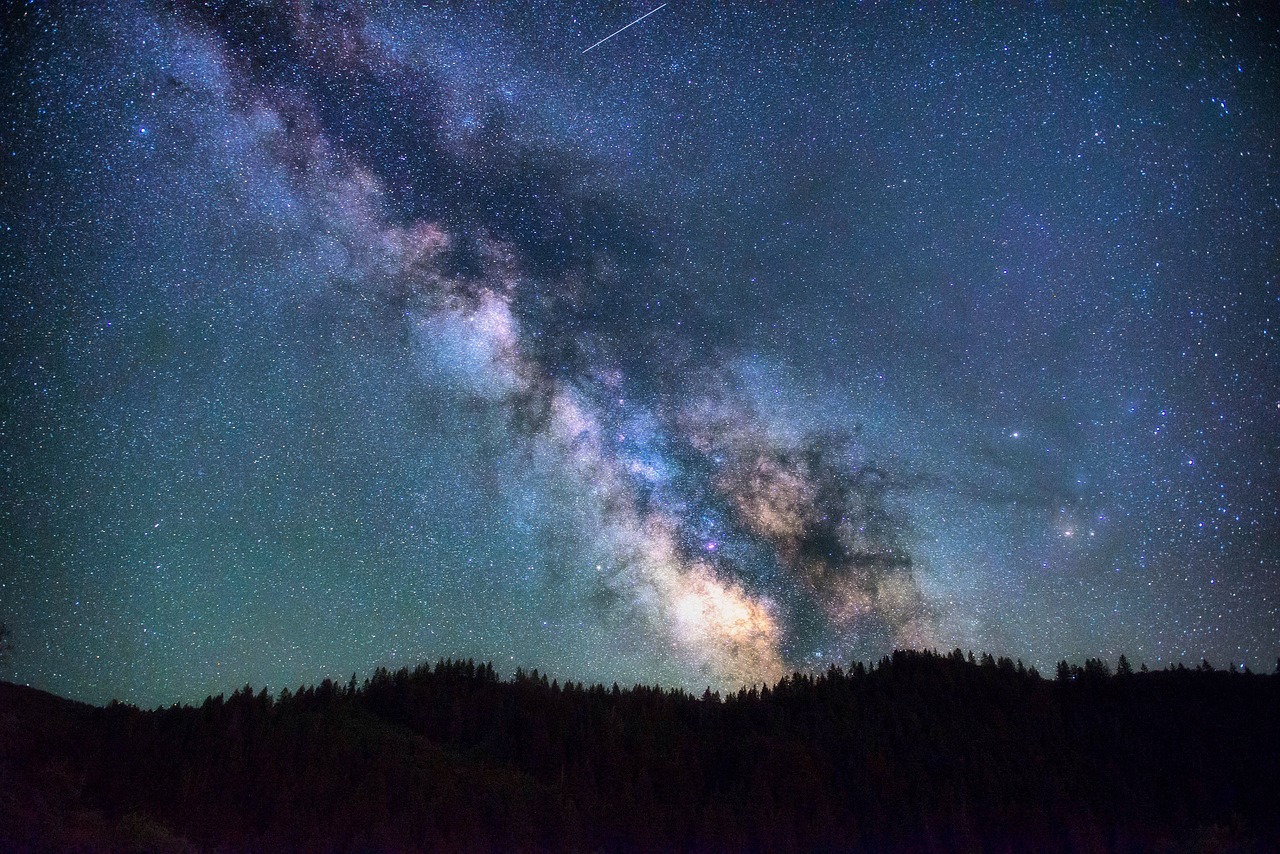
Mauna Kea Stargazing (Big Island)
Some of the clearest night skies on Earth — sunset above the clouds from Hawaii's highest mountain, then world-class stargazing from the Visitor Information Station at 9,200 feet. Sacred ground; visit respectfully.
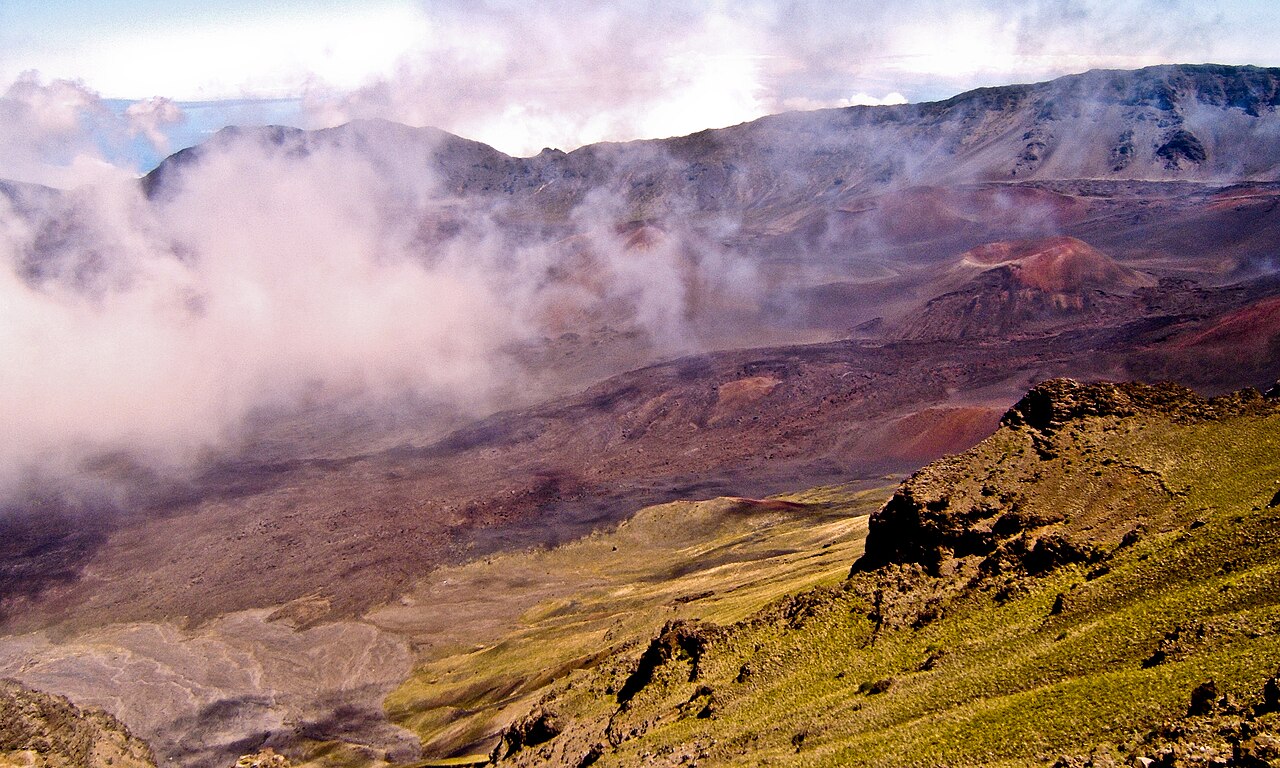
Haleakala National Park (Maui)
Maui's 10,023-foot "House of the Sun" — sunrise above the clouds over a vast volcanic crater, otherworldly summit landscapes, and high-altitude hiking. Sunrise entry requires an advance reservation.
Na Pali Coast (Kauai)
Kauai's crown — 17 miles of 3,000-foot emerald sea cliffs, hidden beaches, and waterfalls, seen by boat tour, helicopter, or the famous Kalalau Trail's first miles. The most dramatic coastline in Hawaii.