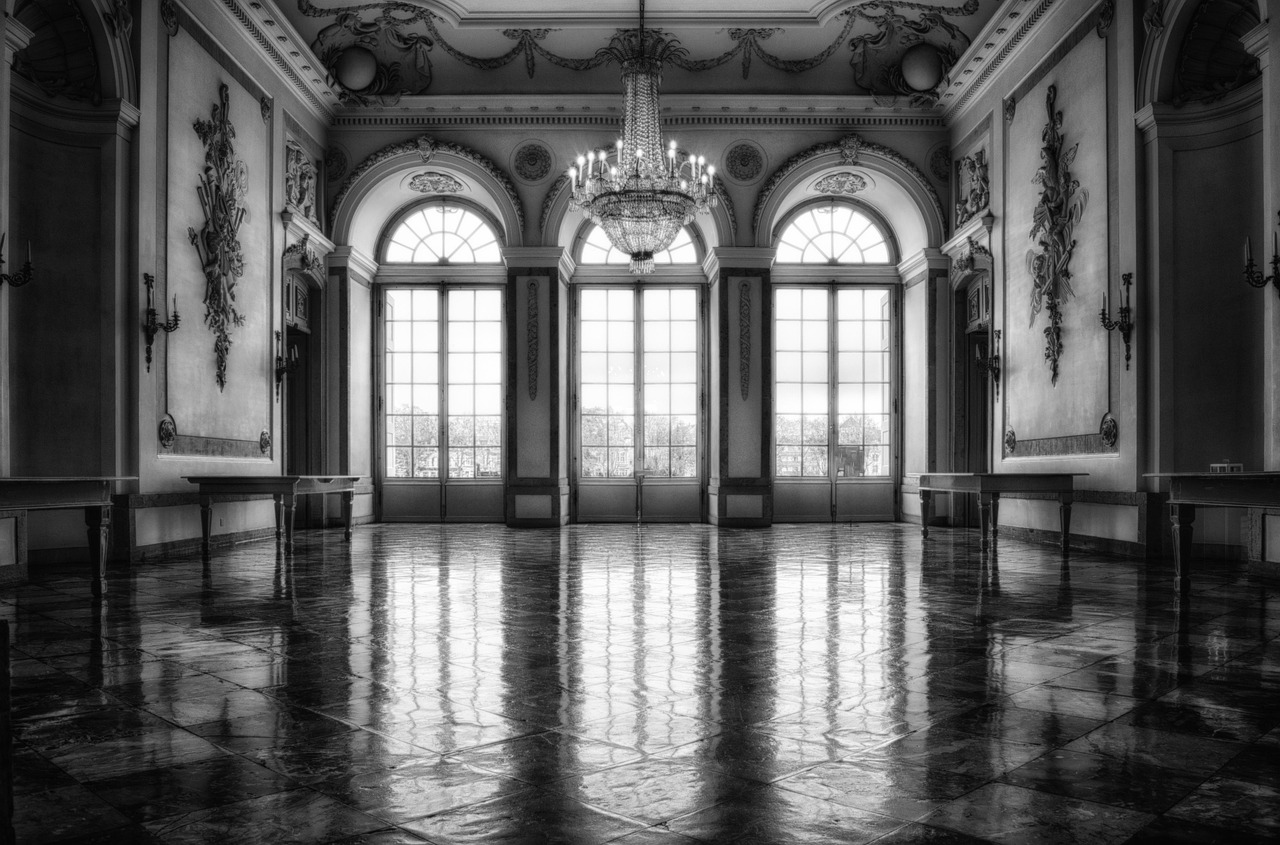
Iolani Palace
Where the kingdom shone, and where it was taken
⏱ 1.5 hours👤 All ages$$
Get Tickets
Get Iolani Palace Tickets
Skip the line · mobile tickets accepted at the door
The history deserves its full weight: Kalākaua built the palace as statecraft (the kingdom was navigating annexationist pressure — the palace's modernity was an argument that Hawaii stood among nations), his sister Liliʻuokalani inherited crown and crisis, the 1893 overthrow (American and European businessmen backed by US Marines deposed the queen — the US apologized formally a century later in the 1993 Apology Resolution) ended the monarchy, and the 1895 counter-revolution's failure brought the queen's trial IN HER OWN THRONE ROOM and her imprisonment upstairs: the Imprisonment Room's spare furnishings and the quilt (its panels embroidered with dates and the queen's sentiments — history sewn by its subject) make the palace the rare landmark where the artifact and the wound are the same object. The afterlife adds poignancy: the palace served as the territorial and state capitol for decades (government filing cabinets in the Throne Room), and the 1970s restoration — driven by Hawaiian cultural revival — recovered scattered royal furnishings piece by piece (the ongoing returns are their own saga).
The visit craft: book ahead (timed entries cap out, especially mornings), take the docent tour if the schedule allows (the guides' telling of the overthrow is the version to hear), give the Grand Hall's koa staircase its pause (the native-wood craftsmanship is the islands' finest interior), find the quilt (the Imprisonment Room rewards unhurried minutes), and finish in the basement galleries (the crown jewels and the kāhili royal standards). The grounds run free (the coronation pavilion's bandstand hosts the Royal Hawaiian Band's Friday concerts — the free tradition is the city's gentlest hour), and the downtown pairing structures the morning: the palace, Kawaiahaʻo Church, the King Kamehameha statue and the Capitol district walk in an hour's loop, with Chinatown's lunch counters beyond.
Practicals and fit: King and Richards Streets, downtown Honolulu (15 minutes from Waikīkī), timed tickets booked ahead, about 90 minutes with galleries, shoe covers provided. Fit: first trips' essential context hour, couples, history travelers — the islands' story, told at its source.
What to Expect
Format
Timed-entry tours of the only royal palace on American soil — the Throne Room, koa grand staircase, state floors and basement crown jewels, with the queen's Imprisonment Room as the sobering center.
Best Time
Mornings book out first — reserve ahead either way; Friday noon adds the Royal Hawaiian Band's free concert at the coronation pavilion on the grounds.
Duration
About ninety minutes with the basement galleries.
Tips
Take the docent-led tour if offered at your hour — the overthrow told by the guides is the version to hear. Pause at the quilt. The free grounds and downtown historic loop (Kamehameha statue, Kawaiahaʻo Church) complete the morning.
⚡ Quick Picks
Best For
The context hour every Hawaii trip owes itself — the islands' story at its source.
Families
Thrones, crown jewels and a real palace — with history older kids feel the weight of.
Couples
The architecture-and-history register, then Chinatown's lunch counters beyond the historic loop.
Pair With
Bishop Museum deepens the Hawaiian-culture day; Pearl Harbor's sites extend the history arc.
Time Needed
One booked-ahead morning, 15 minutes from Waikīkī.
Ready to book Iolani Palace?
Get Tickets →Frequently Asked Questions
Why is it the only royal palace in the US?
Because Hawaii was a recognized kingdom — King Kalākaua built ʻIolani in 1882 as a modern royal residence (electric lights before the White House), and the 1893 overthrow that ended the monarchy happened around this building: the palace is both the showpiece and the scene.
What is the Imprisonment Room?
The upstairs bedroom where Queen Liliʻuokalani was confined for months after the 1895 counter-revolution — her quilt, embroidered with dates and sentiments during confinement, remains the most moving artifact in the islands.
Docent tour or audio tour?
Docent-led if your schedule allows — the guides' honest, moving telling of the overthrow is the version to hear; the self-guided audio covers the same floors flexibly, and both need advance booking.
How long does a visit take?
About ninety minutes — the state floors plus the basement's crown jewels and regalia — with the free grounds, coronation pavilion and downtown historic loop extending the morning.
Is there a dress code or etiquette?
Respect-level — shoe covers are provided to protect the floors, flash photography is restricted, and the staff's reverence sets the register: this is sacred ground to many Hawaiians, visited accordingly.
More Hawaii Attractions
Browse all →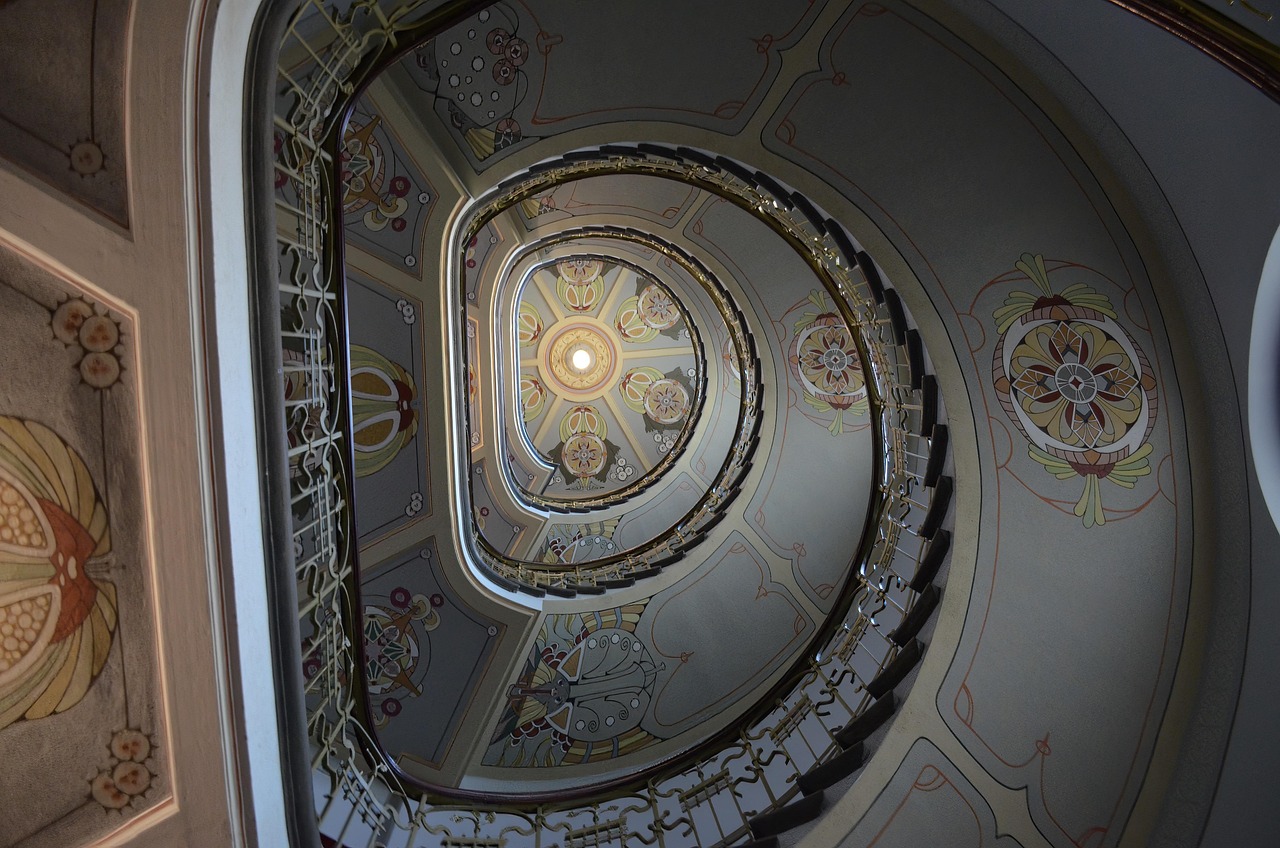
Bishop Museum
The Smithsonian of the Pacific — Hawaiian Hall's three koa-railed floors of feather cloaks, war gods and voyaging canoes, the planetarium that teaches wayfinding, and erupting-lava science for the kids.
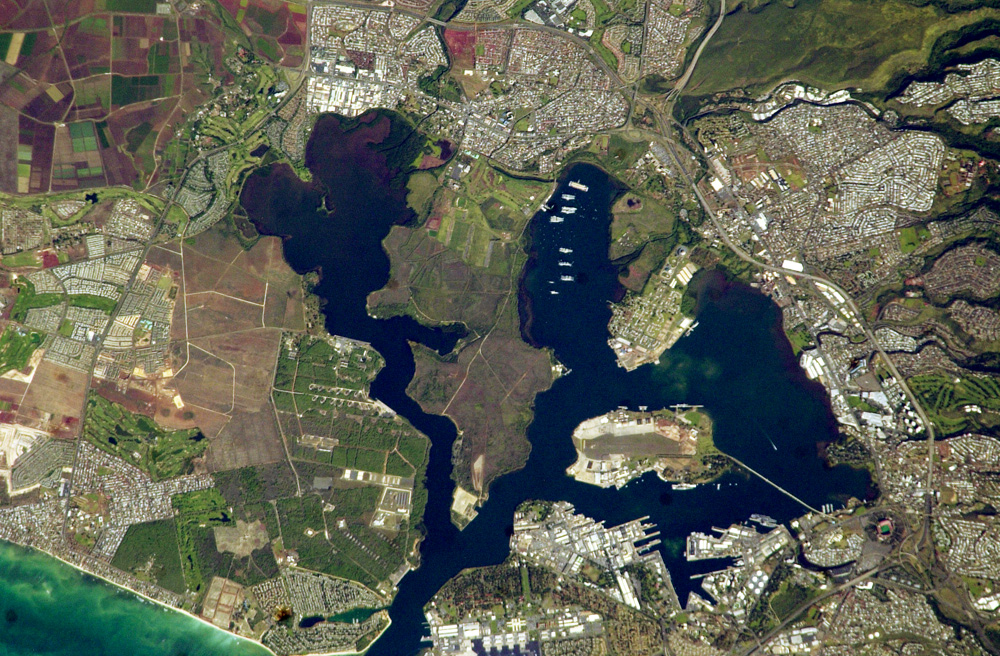
Pearl Harbor National Memorial (Oahu)
America's most hallowed WWII site — the USS Arizona Memorial, floating above the sunken battleship, plus the Battleship Missouri, submarine Bowfin, and the Aviation Museum. Oahu's essential history visit.
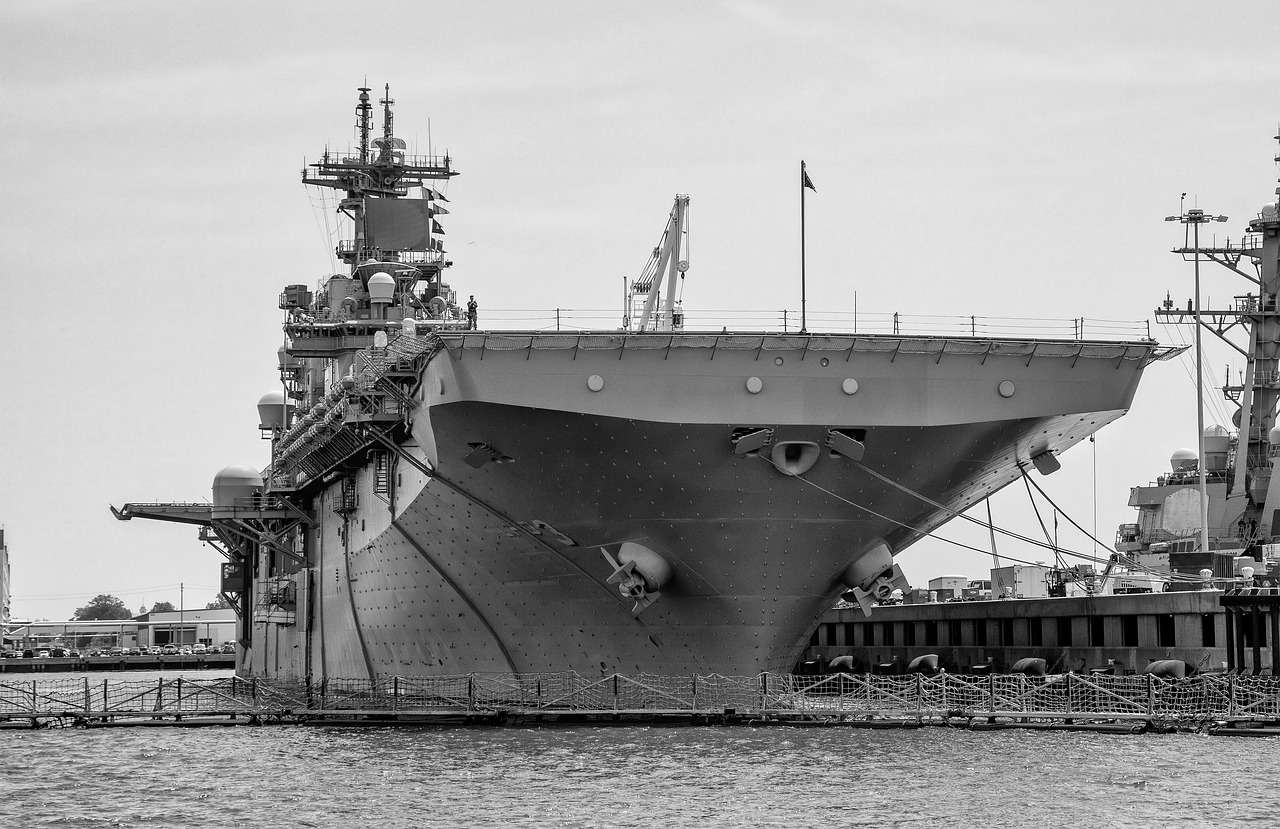
Battleship Missouri Memorial
Where World War II ended — stand on the Mighty Mo's surrender deck, under 16-inch guns, over the spot Japan signed: the war's bookend anchored a ship's length from where it began at the Arizona Memorial.