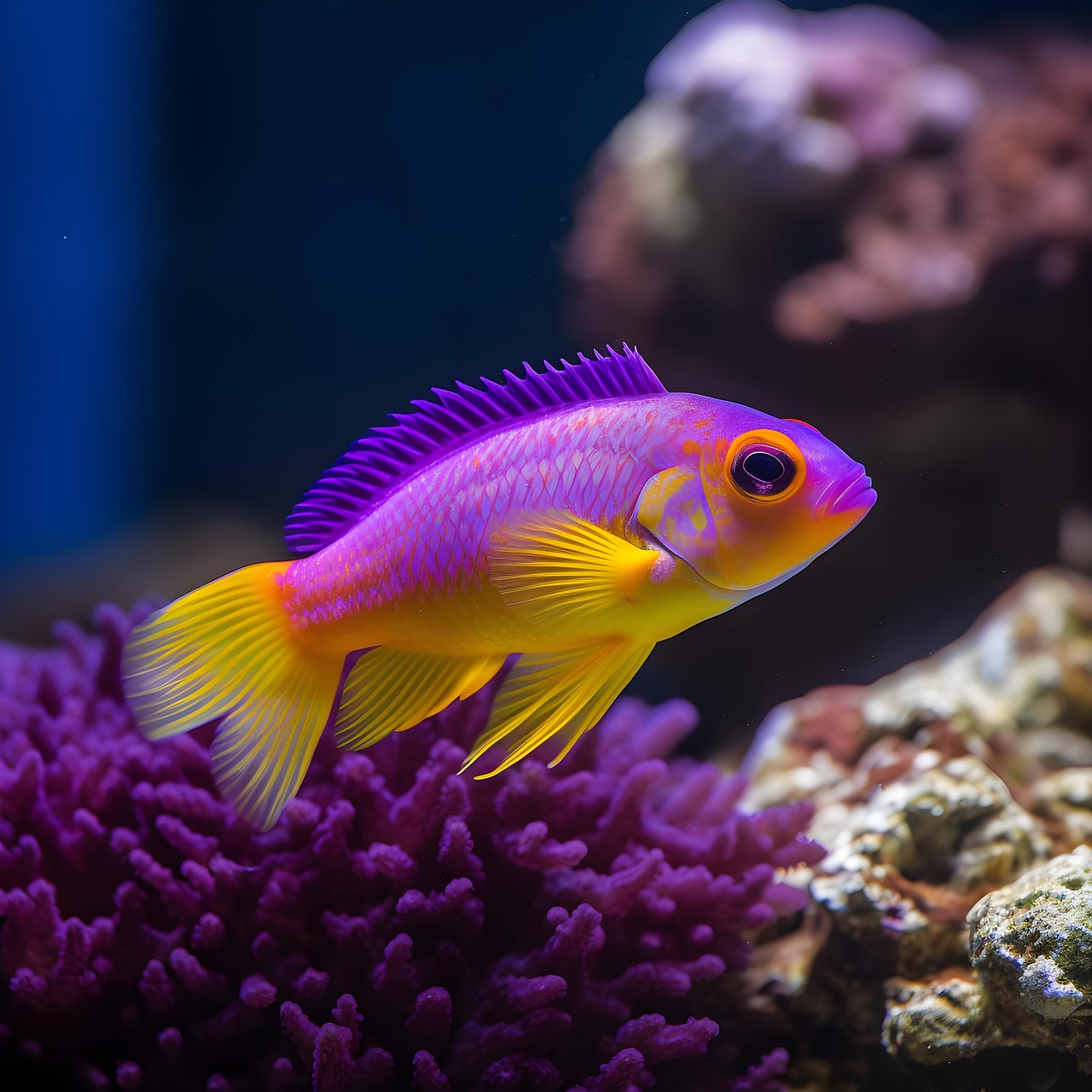
Maui Ocean Center
Meet the reef before you swim it
⏱ 2-3 hours👤 All ages$$$
Get Tickets
Get Maui Ocean Center Tickets
Skip the line · mobile tickets accepted at the door
The Hawaiian-species-only premise earns unpacking: a quarter of Hawaii's reef fish exist nowhere else on Earth (the archipelago's isolation bred endemics — the saddle wrasse, the milletseed butterflyfish, the bandit angelfish), so the center's galleries double as an endemism lesson: the reef tanks organize by habitat zone (shoreline tide pools through reef crest to the 'blue water' drop), the labels run bilingual Hawaiian-English, and the coral-growing operation (the center propagates its own — among the first aquariums to grow stony corals at scale) makes the displays living rather than decorated. The open-ocean tank's craft: 750,000 gallons with the 54-foot tunnel (the acrylic overhead turns sharks into weather), the species rotation (hammerheads, blacktips, the occasional tiger shark in residency before release — the center's no-permanent-large-shark ethic is part of the conservation stance), and the ray squadron's loops that own the room. The humpback sphere: Māʻalaea Bay is the whale nursery (the center's dome experience renders the mother-calf encounters at life size), and winter visitors should stack the experiences — sphere inside, real breaches from the harbor wall outside.
The pairing strategy in full: the center sits at Māʻalaea Harbor — the molokini-snorkel-cruise fleet's home port — so the day-before (or same-morning) sequence turns the aquarium into the snorkel briefing: learn the fish Wednesday, name them underwater Thursday (the kids' recall rate is the delight), and the turtle-etiquette education (distance, no touching — the honu rules) improves everyone's reef behavior. The practical notes: mornings beat the midday family waves, the café's lanai overlooks the harbor, the gift shop's reef-safe sunscreen rack is the right souvenir, and combo logistics with harbor lunch close the visit.
Practicals and fit: Māʻalaea Harbor (central Maui — 20-30 minutes from the resort coasts), 2-3 hours, outdoor-walkway campus, at the Molokini fleet's port. Fit: families and the snorkel primer first, whale-season stackers, rainy-day Maui — the reef, named before you swim it.
What to Expect
Format
Hawaii's reef as a living system — coral galleries grown in-house, the turtle lagoon, the 750,000-gallon open-ocean tank's walk-through shark tunnel, and the life-size humpback dome — all Hawaiian species, nearshore to blue water.
Best Time
Mornings beat the family waves; the day before your Molokini cruise turns it into the snorkel briefing; whale season (December-April) stacks the dome with real breaches off Māʻalaea.
Duration
Two to three hours on the outdoor-walkway campus.
Tips
Learn the humuhumunukunukuāpuaʻa before the kids do. The center sits at Māʻalaea Harbor — the Molokini fleet's port — so pair aquarium and boat. Buy the reef-safe sunscreen; it is the right souvenir.
⚡ Quick Picks
Best For
The snorkel primer — every fish at Molokini, named the day before.
Families
Sharks as weather overhead, turtles at window range and the state fish's name to master.
Couples
The tunnel at opening calm, then the harbor lanai's lunch.
Pair With
The Molokini snorkel cruise from the same harbor; whale watching off Māʻalaea in season.
Time Needed
One reef-literate half day.
Ready to book Maui Ocean Center?
Get Tickets →Frequently Asked Questions
What makes it different from other aquariums?
Hawaiian marine life only, shown as the living reef system — a quarter of these fish exist nowhere else on Earth, the center grows its own corals, and Hawaiian cultural perspectives frame the honu and the ocean throughout.
Is there a shark tunnel?
The signature — a 54-foot walk-through beneath the 750,000-gallon open-ocean tank: blacktips and hammerheads overhead, the ray squadron's loops, and rotating residencies under a no-permanent-large-shark conservation ethic.
How does it pair with snorkeling?
Perfectly — it sits at Māʻalaea Harbor, the Molokini fleet's home port: visit the day before (or morning of) and the reef galleries become your snorkel briefing, fish named before you meet them.
What is the humpback sphere?
A dome theater rendering mother-and-calf humpback encounters at life size — and Māʻalaea Bay outside is real calving water December through April, so winter visitors stack the virtual and the actual.
How long and from where?
Two to three hours, 20-30 minutes from Kīhei, Wailea or the Lahaina side — central enough to be Maui's rainy-day answer and the snorkel day's natural prologue.
More Hawaii Attractions
Browse all →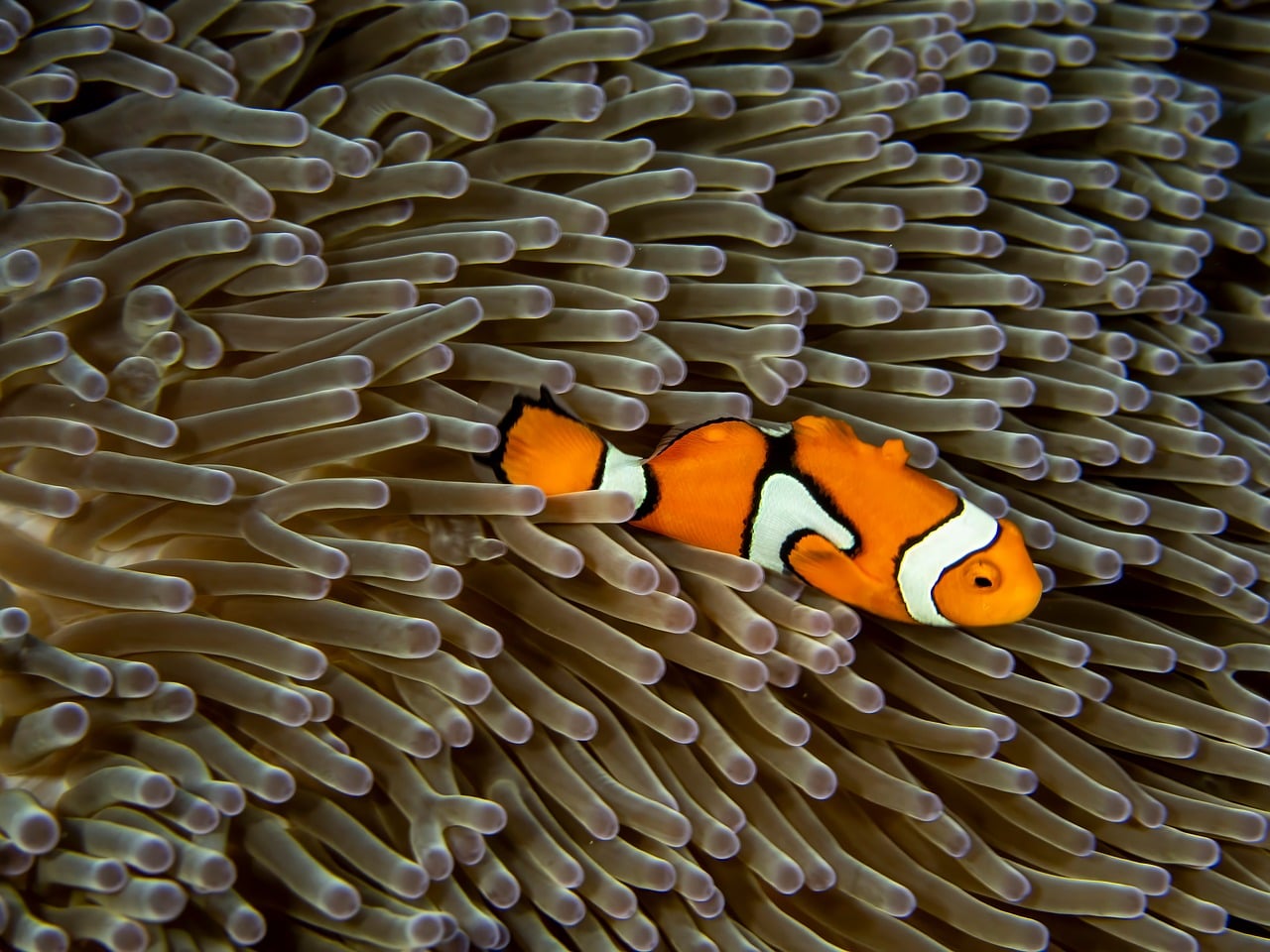
Molokini Crater Snorkel Cruise (Maui)
Snorkel inside a sunken volcanic crater — Molokini's crescent shelters some of Hawaii's clearest water (100-foot-plus visibility) and a protected reef, reached by morning boat tours from Maui's south shore.
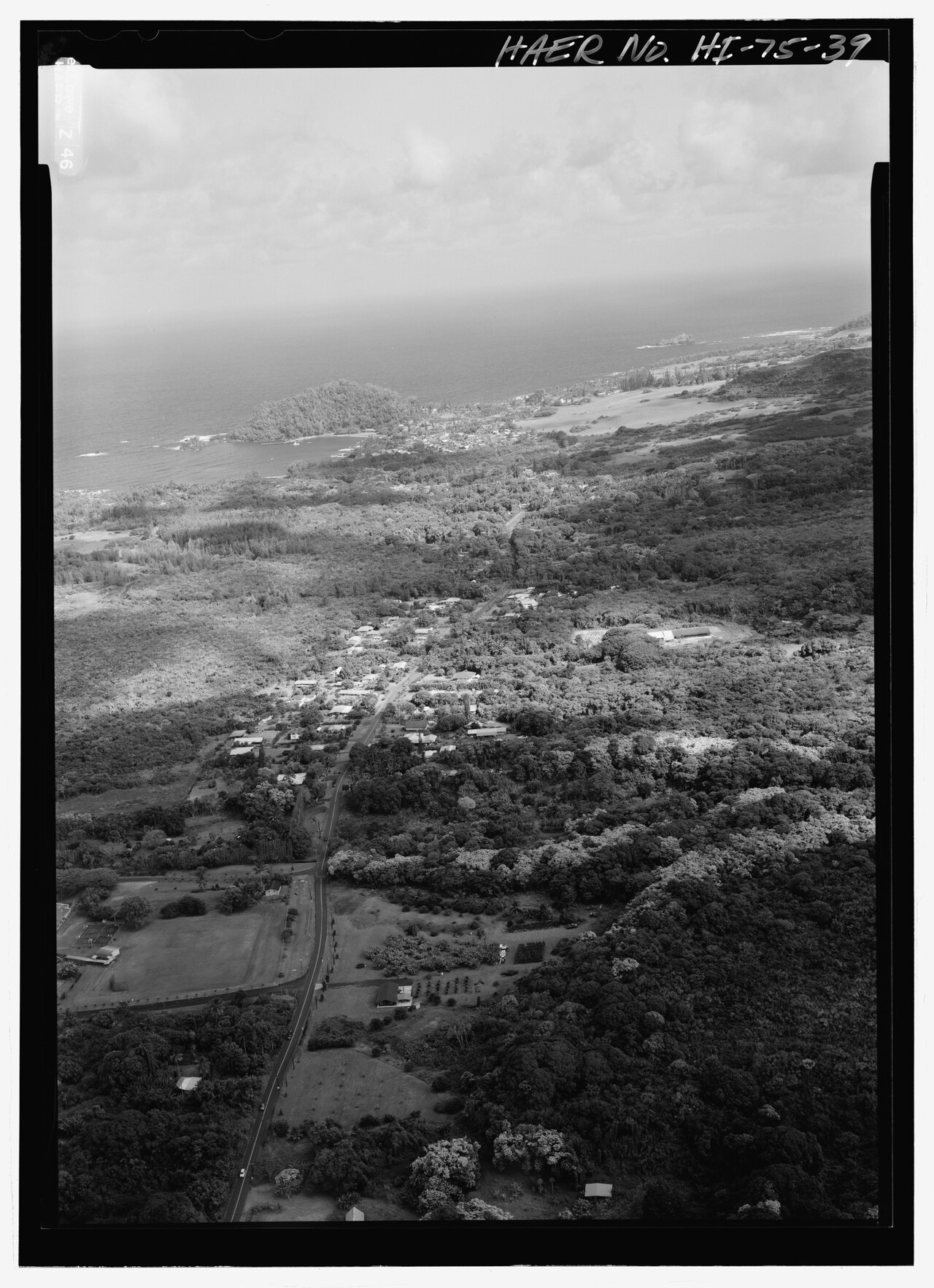
Road to Hana (Maui)
Maui's legendary coastal drive — 600 curves and 50-plus one-lane bridges through rainforest, past waterfalls, black-sand beaches, and banana-bread stands to the timeless town of Hana and beyond.
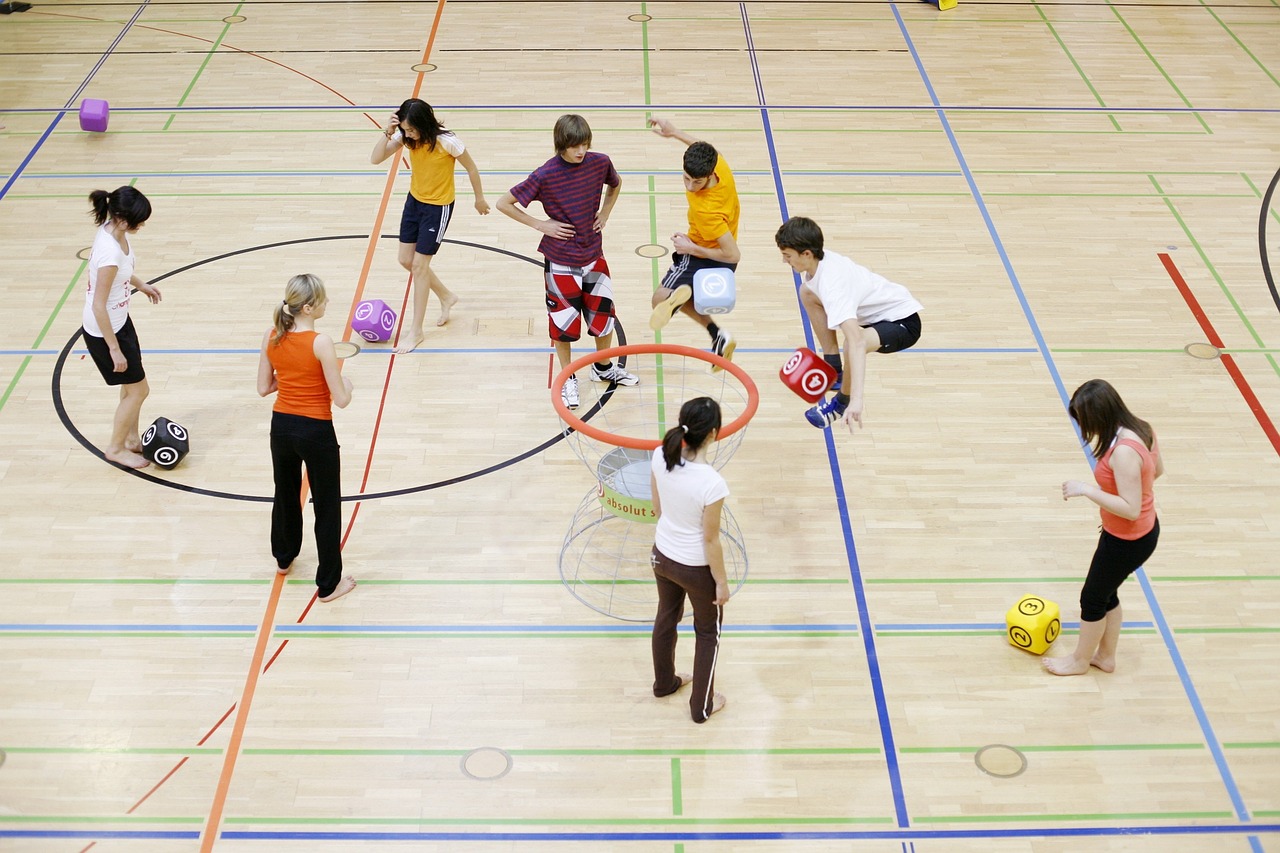
Old Lahaina Luau (Maui)
Widely regarded as Hawaii's most authentic luau — an oceanfront evening of traditional imu-roasted feast, genuine Hawaiian hula and storytelling, and no gimmicks, on Maui's west shore. Books out weeks ahead.