Kona Manta Ray Night Snorkel (Big Island)
Giant mantas, under the lights
⏱ About 2-3 hours👤 All ages$$
Get Tickets
Get Manta Ray Night Snorkel Tickets
Skip the line · mobile tickets accepted at the door
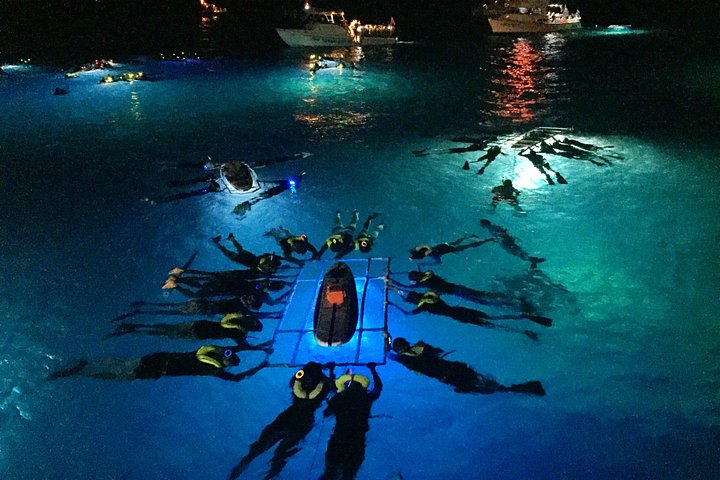
Few wildlife encounters feel as otherworldly as the Kona manta night snorkel. After sunset, boats anchor over a shallow reef where lights are shone into the water. The lights attract plankton, which attract manta rays that sweep through the beams in graceful loops, sometimes doing backflips with mouths open to filter the water. Snorkelers float at the surface, holding a lit board or a floating rail while the mantas pass just below, often within an arm's length, but never touched.
Manta rays are filter feeders with no stinger and no teeth, and the species in Kona can reach very large wingspans. The experience takes place in quiet, shallow water and generally involves staying still and watching, which makes it more about patience than athleticism. Wetsuits are commonly provided to keep you warm during the time floating, as the evening air and water can feel chilly after a while. Crews give a safety briefing, supply flotation, and monitor the group. Passengers should be comfortable in the ocean in the dark, and non-swimmers or nervous swimmers should talk to the crew about options such as flotation vests or viewing from the boat or from the water's edge.
Operators follow rules about not touching the animals, keeping hands and feet tucked in and staying on the board. The rays are wild, so sightings vary by night; many nights deliver multiple mantas, while occasionally conditions or luck mean fewer. Conditions can also change schedules, as rough surf or weather can cause cancellations. Check the operator's terms for what happens if mantas do not appear or the trip is canceled.
The best preparation is to book early, since these tours fill up quickly, and to schedule one for the first part of your Kona stay in case it needs rebooking. Bring a towel, warm clothes and a hooded jacket for the ride back; avoid heavy meals beforehand to reduce seasickness risk. Age and swimming requirements vary by operator. The activity is popular with couples, groups of friends and families with older children and is often a trip highlight. If you are hoping to see Kona's famous coastline in daylight too, pair it with a daytime snorkel at Kealakekua Bay or a coffee farm visit. Choose an operator committed to responsible practices and small group sizes, and be mindful that overcrowded sites can stress animals.
What to Expect
Format
Evening boat trip off Kailua-Kona with a night snorkel around lights that attract manta rays, with gear and flotation provided.
Best Time
After dark, all year round. Book early because these tours sell out and weather can move a night.
Duration
Two to three hours, including the boat ride and briefing.
Tips
Wear warm layers for after the snorkel, bring a towel, stay still on the board and do not touch the rays. Book near the start of your Kona stay in case of rescheduling.
⚡ Quick Picks
Best For
Confident swimmers who want a once-in-a-lifetime wildlife encounter.
Families
Possible with older children who can swim and follow instructions.
Couples
Unforgettable and quiet, though somewhat chilly after dark.
Pair With
A daytime Kealakekua snorkel, coffee farm or sunset dinner in Kona.
Time Needed
An evening.
Ready to book Manta Ray Night Snorkel?
Get Tickets →Frequently Asked Questions
Are mantas guaranteed?
They are wild animals, so sightings vary. Most nights deliver, but read the operator's terms about what happens if they do not appear.
Do I need to be a strong swimmer?
No, but you should be comfortable in the ocean at night. Flotation is typically provided.
Will I be cold?
Possibly. Wetsuits are often provided; bring warm clothes for after.
Can I touch the mantas?
No. Do not touch them, and keep your hands and feet tucked in.
What if the weather is bad?
Trips can be canceled for surf or weather; check the operator's policy.
More Hawaii Attractions
Browse all →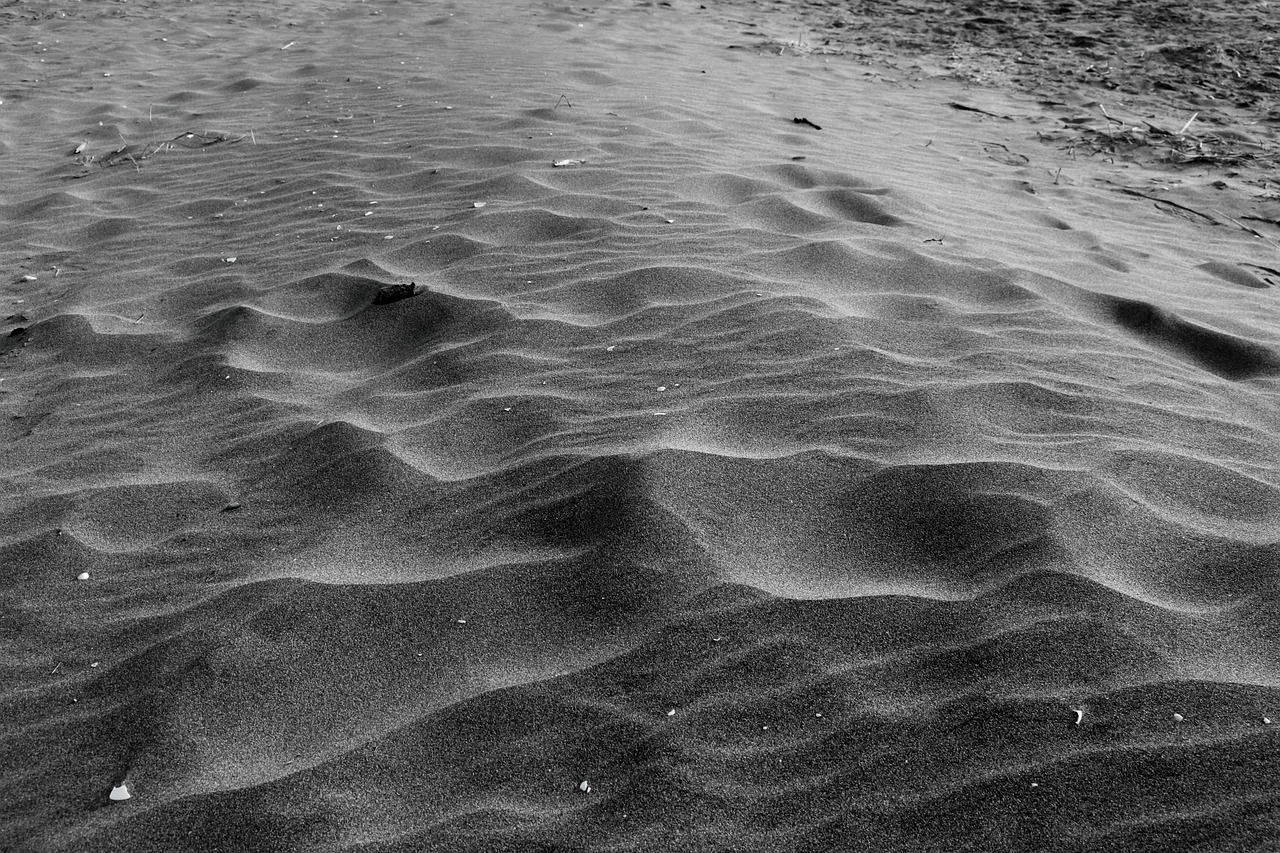
Punaluu Black Sand Beach
Jet-black volcanic sand fringed by coconut palms on the Big Island's Kau coast, where green sea turtles haul out to bask — the perfect stop on the drive to Volcanoes National Park.
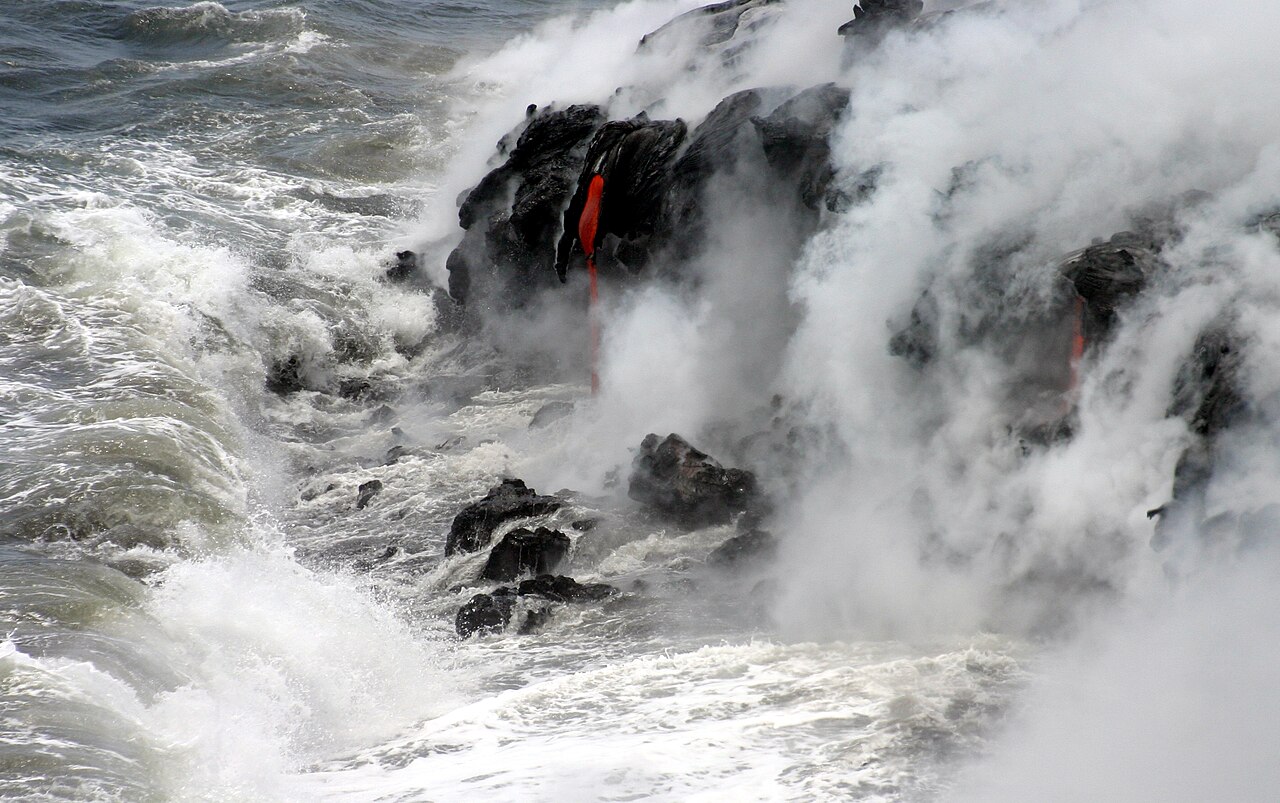
Hawaii Volcanoes National Park (Big Island)
Walk on one of Earth's most active volcanoes — Kilauea's summit caldera and crater, steam vents, a walk-through lava tube, and the Chain of Craters Road down to the sea. Eruption viewing when Pele allows.
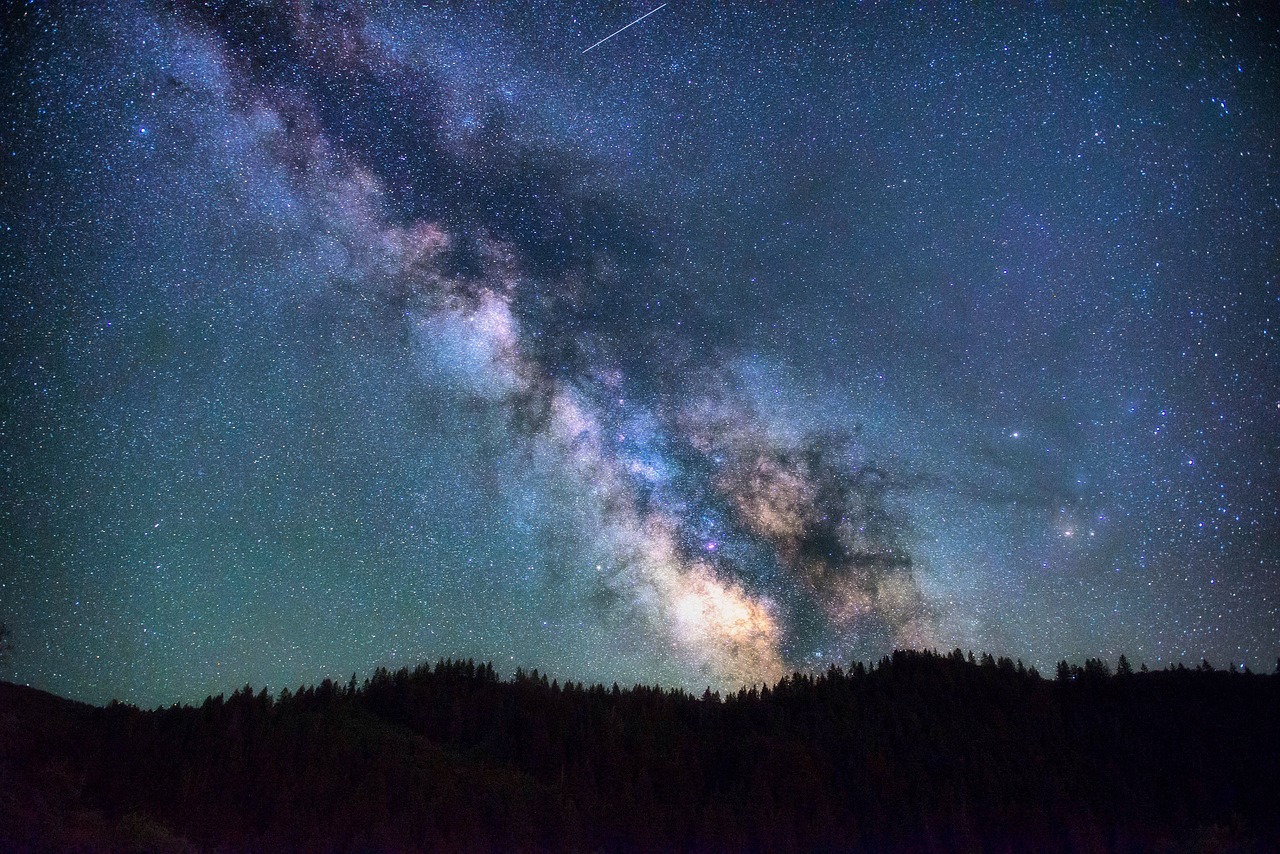
Mauna Kea Stargazing (Big Island)
Some of the clearest night skies on Earth — sunset above the clouds from Hawaii's highest mountain, then world-class stargazing from the Visitor Information Station at 9,200 feet. Sacred ground; visit respectfully.